Got a question?

Administration
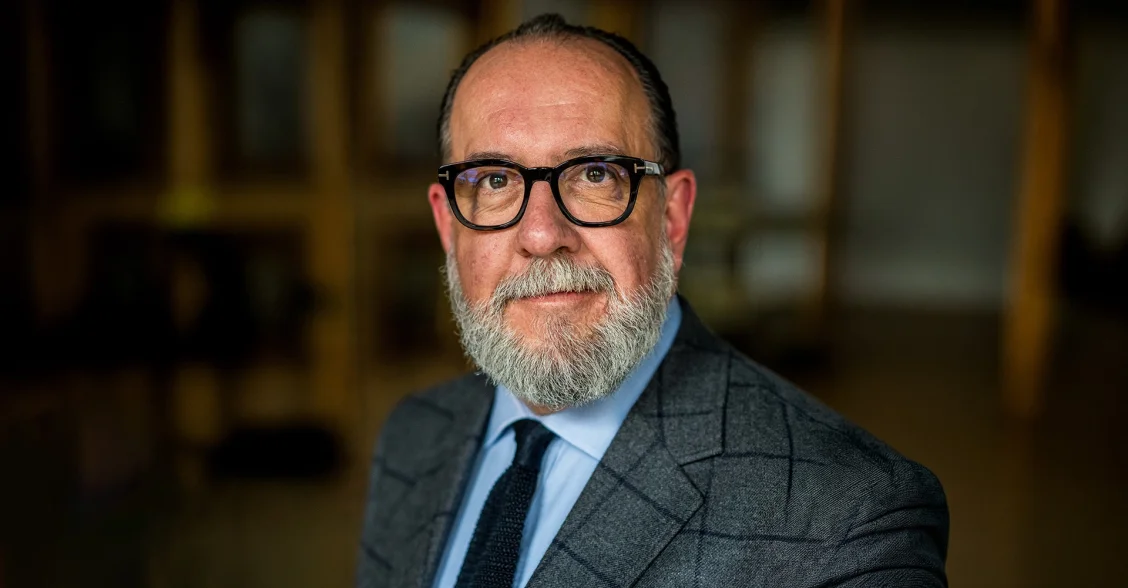
The International Association of Ports and Harbors (IAPH) has grown into a global alliance representing 215 ports across 100 countries. Managing Director Patrick Verhoeven highlights obstacles and possibilities in the sector.
IAPH member ports handle more than 60% of global seaborne trade and over 60% of worldwide container traffic, giving the organisation a significant voice in international maritime and trade policy, explains Patrick Verhoeven.
On a practical level, how can ports learn from each other?
“We try to make sure they can do just that, and decarbonisation, for example, is an important tool for our members. A concrete example is IAPH Clean Marine Fuels – an initiative aimed at facilitating the bunkering of ships,” says Patrick Verhoeven. He adds:
“We have a programme, providing incentives to ships. And we have a dedicated working group on shore power, looking at supplying electricity to ships. Then there are the broader discussions on energy hub development and raising awareness among governments. The Global South will have a major role in producing and exporting renewable energy.”
How do you see the connection between energy security and broader European security?
“It is a major issue, especially for Europe, which is so dependent on the countries that we get our energy from. The geopolitical situation with Ukraine is obviously important, but also what happens in the Middle East. I was in Asia last week, and this is also a major question there - the move towards greener energy could be part of the solution.
Some countries have traditionally supported energy infrastructure, focusing on traditional fuels, but now the sources of energy are broader, and we are also talking about traditional maritime safety.
When you look at the EU, there is probably a less black-and-white situation. We must include fossil fuels for a longer period than expected, and LNG will remain with us longer than we have thought. But on the other hand, we can become less dependent on other countries,” says Patrick Verhoeven.
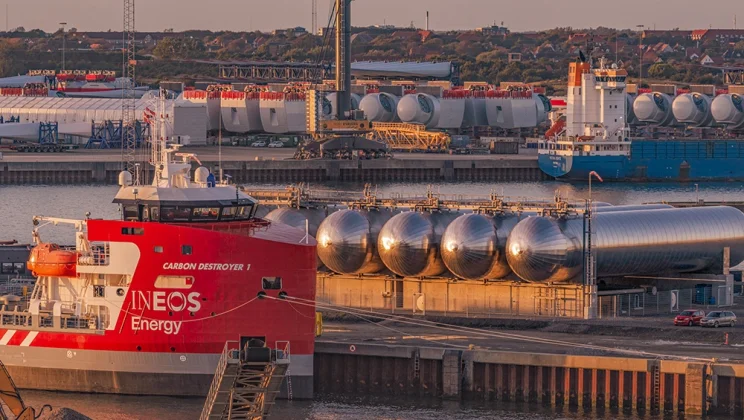
Photo: Robert Attermann, RED STAR 2.0
What role can ports play in strengthening Europe’s energy security and green transition?
“That is where most ports, also smaller ports, can play a role as energy hubs. It depends on infrastructure and specialisation, but ports can help with many things, including providing energy and supporting the infrastructure around it.
For many ports in Europe, there is a potential role in becoming energy hubs. We will need a bigger network to bring energy into Europe, and we need to build it now. Part of it will be green energy, but imports will also be important for a long time.”
So, relatively smaller ports like Esbjerg can grow through this demand?
“Yes, ports like Esbjerg have an important role to play. It is not only Rotterdam and Antwerp - we need a broader network of smaller ports as well, and it is already growing.
In IAPH we are working on CEM-Hubs – Clean Energy Marine Hubs. Both for the import and export side. We do it with ICS (International Chamber of Shipping) - representing the shipping companies. We are finishing a blueprint together on CEM-Hubs - looking at what is needed to make that kind of port work,” explains Patrick Verhoeven. He adds:
“If you want energy security, then you need to do this. We might need some facilitation from the government side, and we have also got the IMO involved, as well as international organisations working on clean energy. Currently nine countries have signed up to the CEM-Hubs initiative. It is great that countries are signing up from all over the world – the Middle East, Brazil, Canada and others. Norway is one of them, but Denmark is not yet.”
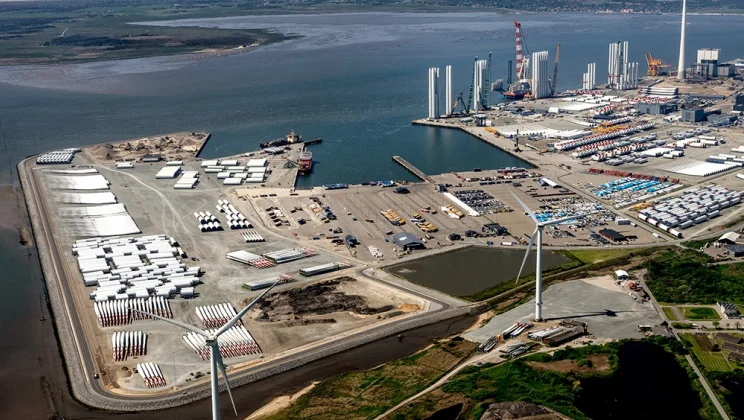
Photo: Robert Attermann, RED STAR 2.0
From your perspective, how do you see Port Esbjerg’s role in energy and CO₂ storage?
“Esbjerg has already shown very clearly what a port can do for offshore wind by building a wind sector and the infrastructure to support that sector. One of the things we need is a good fuel mix and Esbjerg is a very good example of what can be done. CCS in Esbjerg is also important because of the whole connection and the role of receiving and handling CO₂ transported by ship.
Another example is Ostend in Belgium. The port reinvented itself to become part of the energy transition, and we will need these hubs alongside the big clusters and refineries.
Governments in Europe play a vital role, since the ports often must deal with difficult planning procedures, building permits and so on. We need to have these things ready for big companies to invest,” says Patrick Verhoeven.
Go to overview